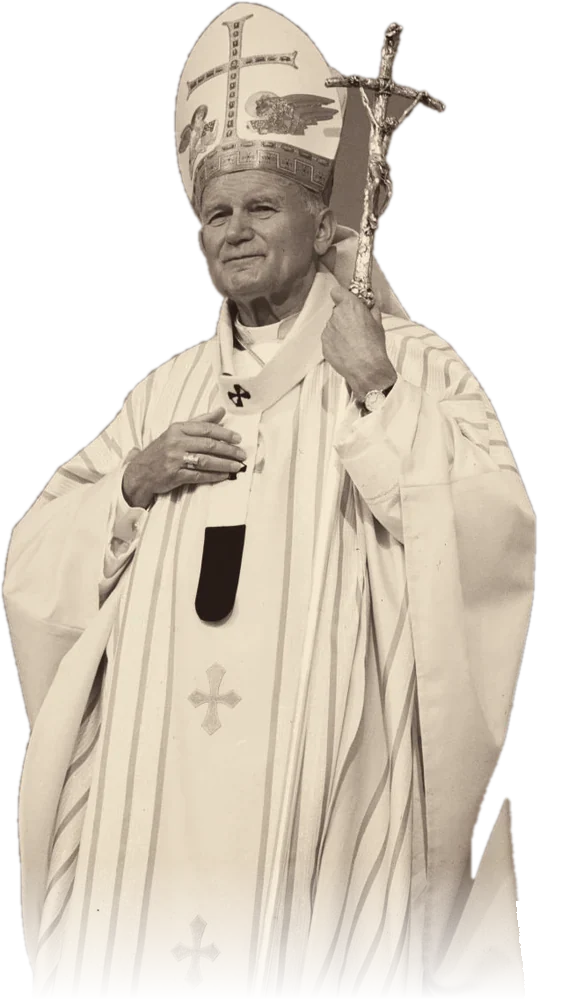
“The ‘heart’ of our redemption is the starting-point of every process of Christian education.”
St. John Paul II · Letter to Families (Gratissimam Sane), 16
We are failing our teachers
Only about 20% of the teachers in our Catholic schools actually practice the faith, and we ignore it.
The problem isn't that they aren't practicing, and it isn't the hiring process. The problem is that our training programs, textbooks and in-service days are built as if every teacher already believes, prays and trusts the Church. Teachers who were never evangelized, catechized or formed get a program that skips the very things they need.
Meet them where they really are, and your faculty room becomes the greatest evangelization opportunity you have.
 Fix Your Catholic School Training Program4 minutes · The problem, the errors, and a three-phase solution

Why current programs fall short
Programs on both ends of the spectrum make the same assumption: that the teacher and the student already trust the Church.
Traditional-school curricula
They hand over doctrine as a list of answers to questions no one is asking. The content is sound, but it is catechesis without evangelization, built on a foundation that was never laid.
Bible stories are taught without cohesion, so students never see the one great story of salvation history that holds them together.
Youth-ministry models
Popular youth-ministry programs can generate real energy and emotion, but they rarely give teachers or students the content to stand on.
When the feeling fades, there is no grounding in Scripture, no reason to trust the Church's teaching, and no path into a deeper interior life.
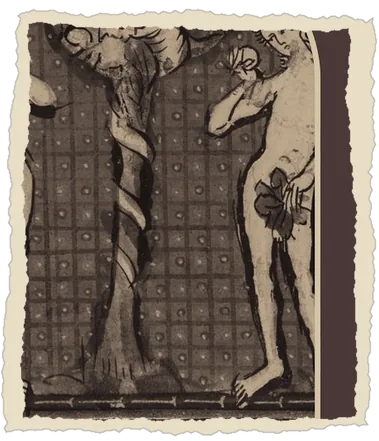
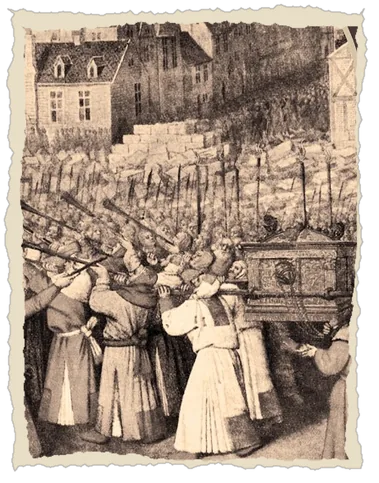
Evangelize. Catechize. Form.
Three phases in the Church's own order: tell the story of salvation, ground every teaching in its sources, then lead the soul into union with God.
Scripture-Based Evangelization
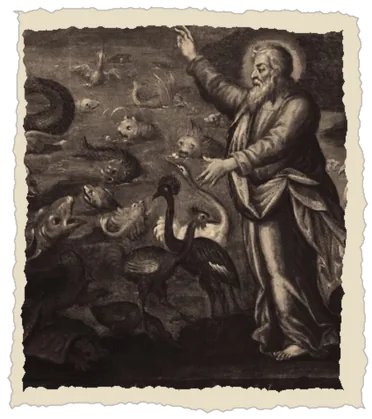
The School of Trust: the whole Bible in 11 periods, showing how God heals the first wound, our lack of trust in His goodness.
View series →Apologetics-Based Catechesis Coming soon
Catechesis that doesn't assume trust in the Church. It traces each teaching through both Testaments and the early Church Fathers.
View series →Spiritual Formation Coming soon
Saints, mystics and the spiritual classics on the interior life: from lukewarmness into union with Christ.
View series →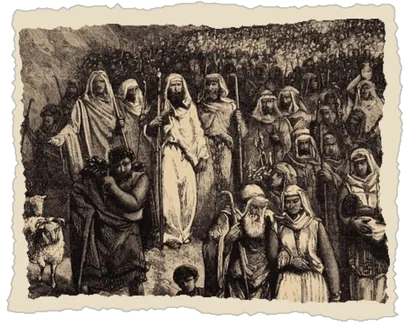
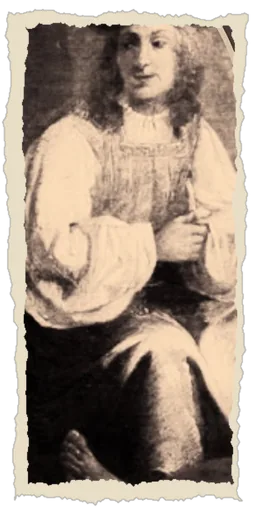
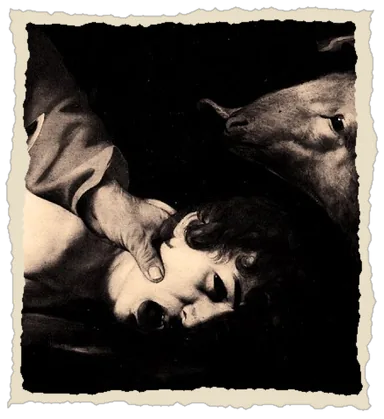
 Bible Timeline Overview | 8 MinutesStart here · The 11 periods of the Bible
The whole Bible heals one wound
“Man, tempted by the devil, let his trust in his Creator die in his heart.” (CCC 397)
Every sin we struggle with springs from that same wound: a lack of trust in God's goodness. Across 11 periods of Scripture, God patiently teaches His people, often through suffering, to trust Him completely.
Read the Methodology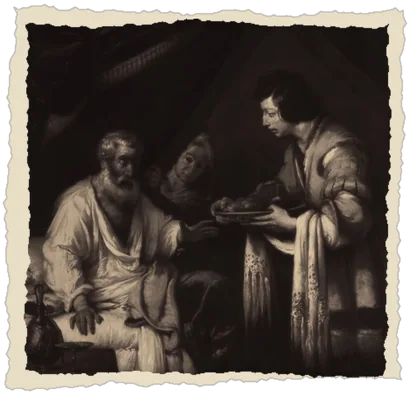
See it in the classroom
Some of the best lessons, each with a full lesson plan and before- and after-watching worksheets.
Bible Timeline OverviewStart here · 8 minutes- Lesson Plan PDF · Soon
- Before You Watch PDF · Soon
- After Watching PDF · Soon
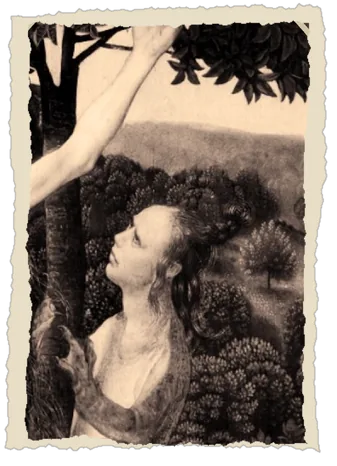
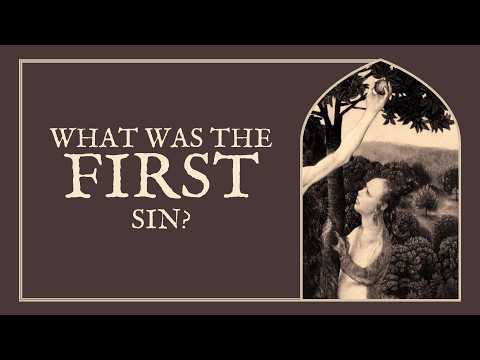 The Fall of Adam and EvePeriod of Creation · Part 2
- Lesson Plan PDF · Soon
- Before You Watch PDF · Soon
- After Watching PDF · Soon
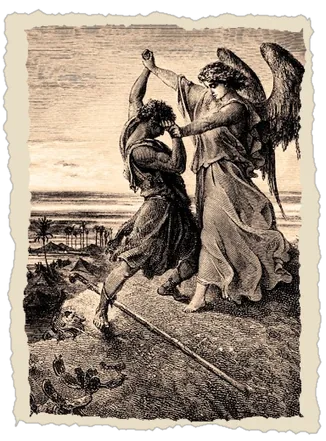
 Jacob Renamed As IsraelPeriod of the Patriarchs · Part 2
- Lesson Plan PDF · Soon
- Before You Watch PDF · Soon
- After Watching PDF · Soon
The Curriculum Map
Every lesson is mapped in sequence and cross-referenced to the Catechism of the Catholic Church, so you can see exactly what is taught, when, and where it comes from.
Curriculum Map PDF · Coming Soon
Testimonies
Stories from teachers and catechists using Catholic Essentials in their classrooms will appear here.
Using the lessons? Share your story.
A teacher who was once in the same place
I have spent my years in the classroom and among teachers and youth leaders, and I have seen how many of them were never evangelized, catechized or formed. I studied theology at Franciscan University and Loyola Marymount University, and I built Catholic Essentials to give teachers what they were never given.
My heart is for the teacher standing in front of the classroom, and my work is in full fidelity to the Magisterium of the Catholic Church.
About MeMy experience in the classroom and my education